Brickhouse Primary School
Science
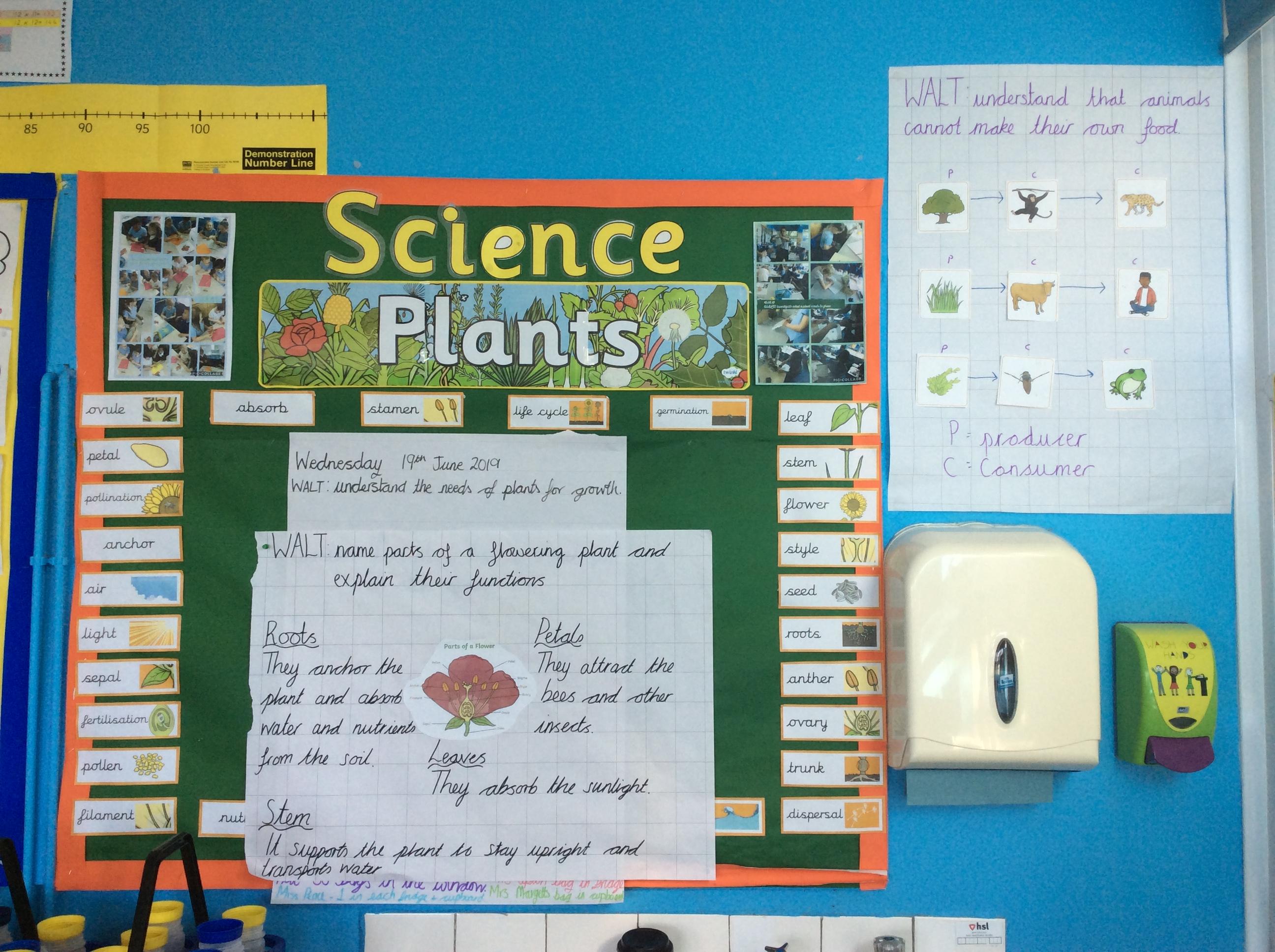
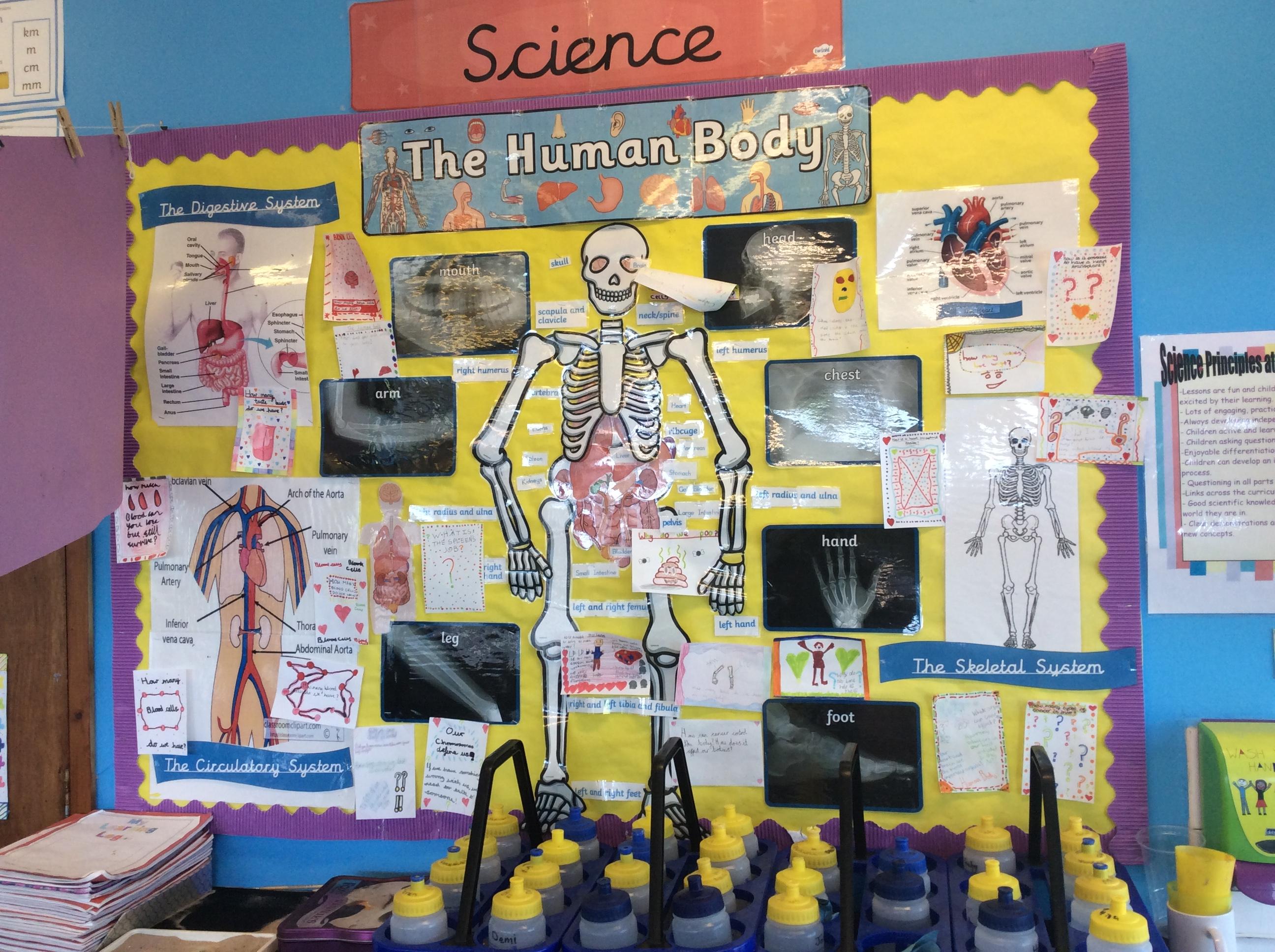
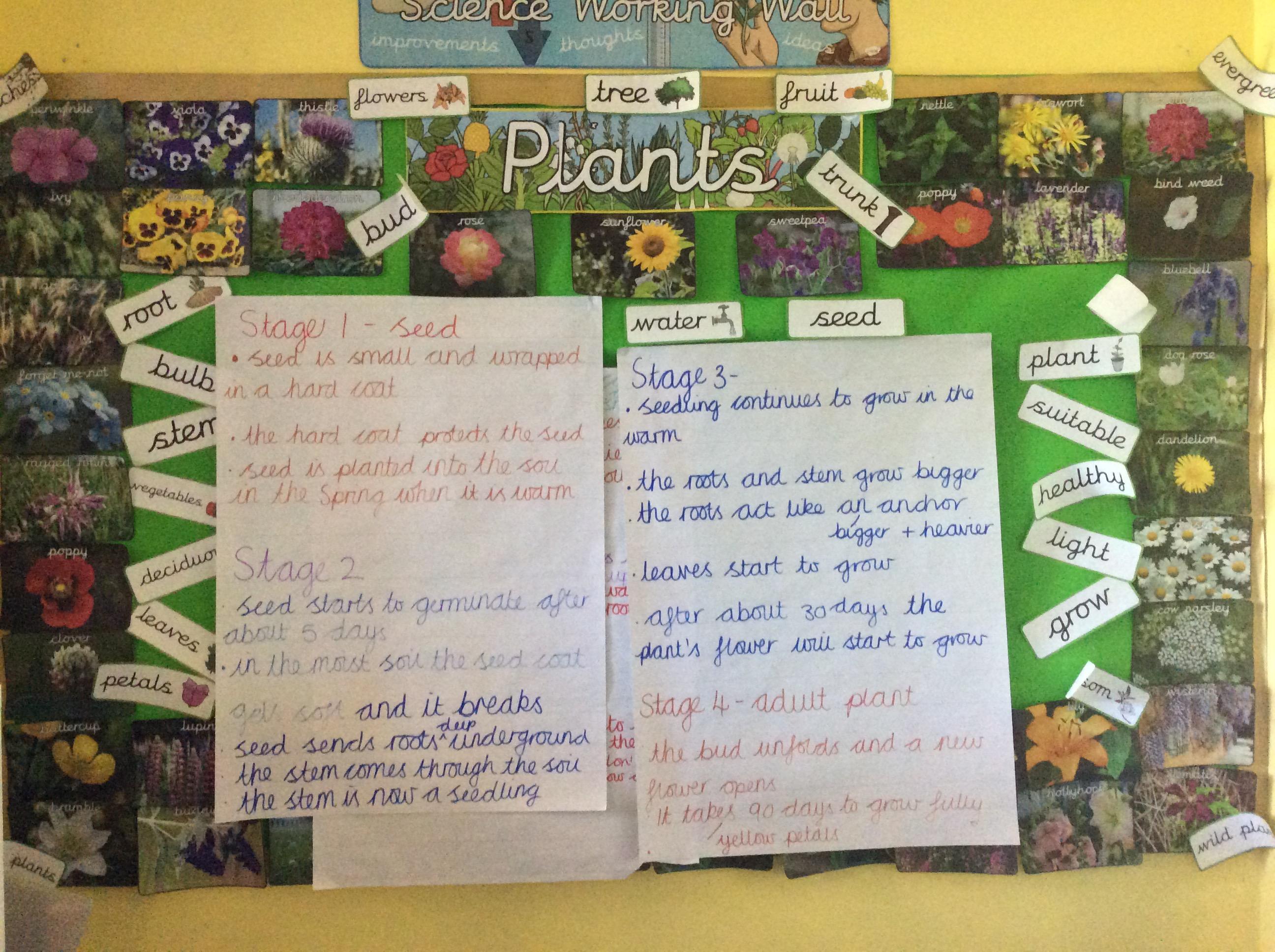
We are very proud of our science work at Brickhouse Primary School and have previously achieved a Quality Mark in recognition of all our hard work. Our science curriculum is designed to develop pupils’ knowledge, understanding and curiosity about the world around them, while also supporting them to become confident and independent scientists.
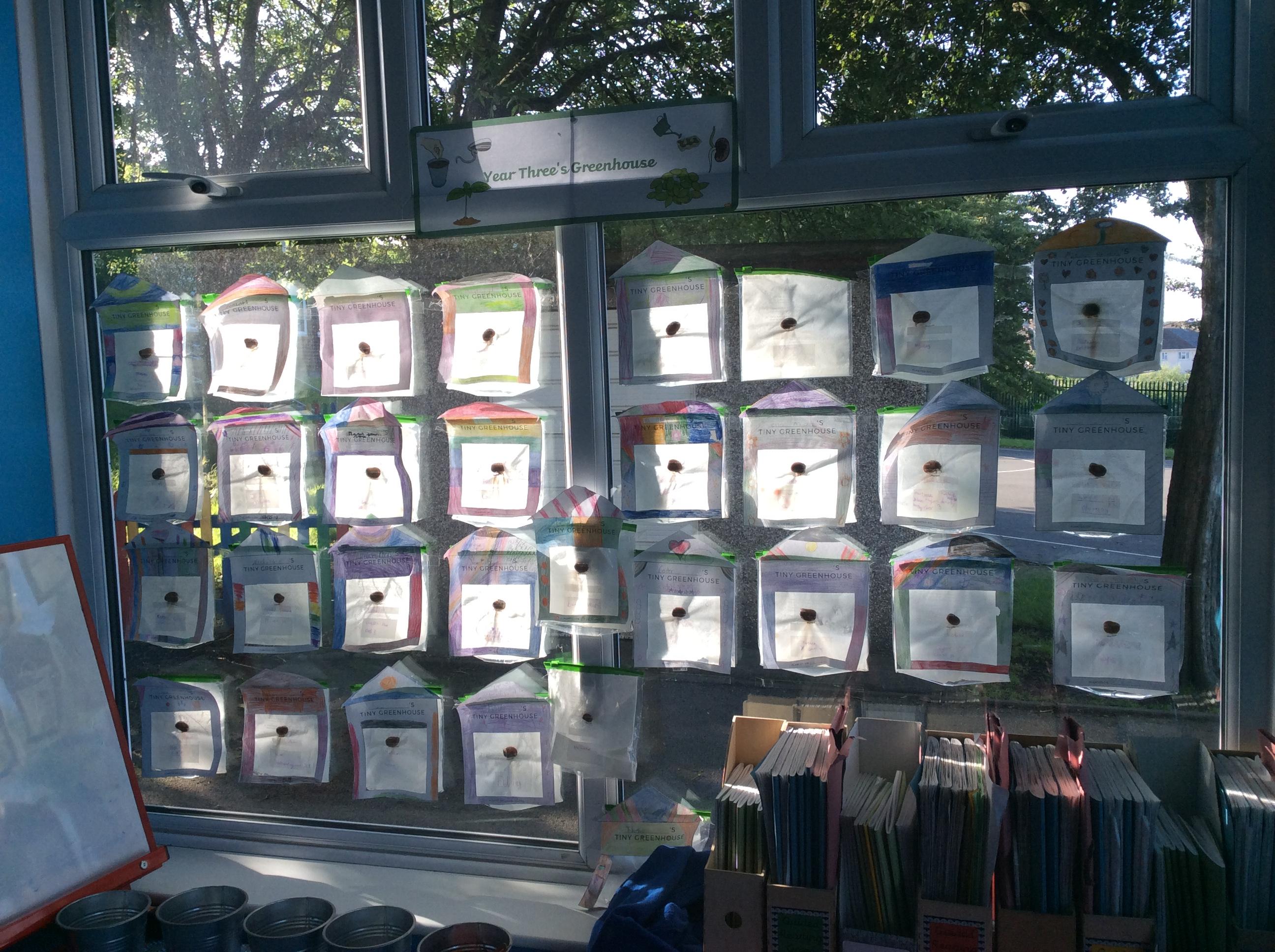
We use the ‘Grammarsaurus’ scheme alongside Explorify and Ogden Trust resources to provide our pupils with the best possible coverage of the science curriculum. Teachers deliver a range of engaging lessons, including first-hand experiences and practical investigations, which enable pupils to develop their understanding through active participation.
Classes are timetabled to have an afternoon of science each week. During these sessions, pupils learn to work scientifically and are taught to use practical scientific methods, processes and skills. They develop their ability to ask questions, make observations, carry out investigations, record results and use evidence to draw conclusions.
We have developed our own principles of science using ideas from both staff and pupils about what they want science to look like at Brickhouse Primary School. These principles help to shape our teaching and ensure that pupils understand the importance of curiosity, practical learning and scientific thinking.
In addition to our weekly science afternoons, we ensure that pupils participate in a range of other science-related events. These include inviting visitors into school, taking pupils on trips and holding an annual Science Week. Such opportunities broaden pupils’ experiences and allow them to see how science is used in the wider world.
Whole School Coverage
|
|
Autumn 1 |
Autumn 2 |
Spring 1 |
Spring 2 |
Summer 1 |
Summer 2 |
|
|
Year 1 |
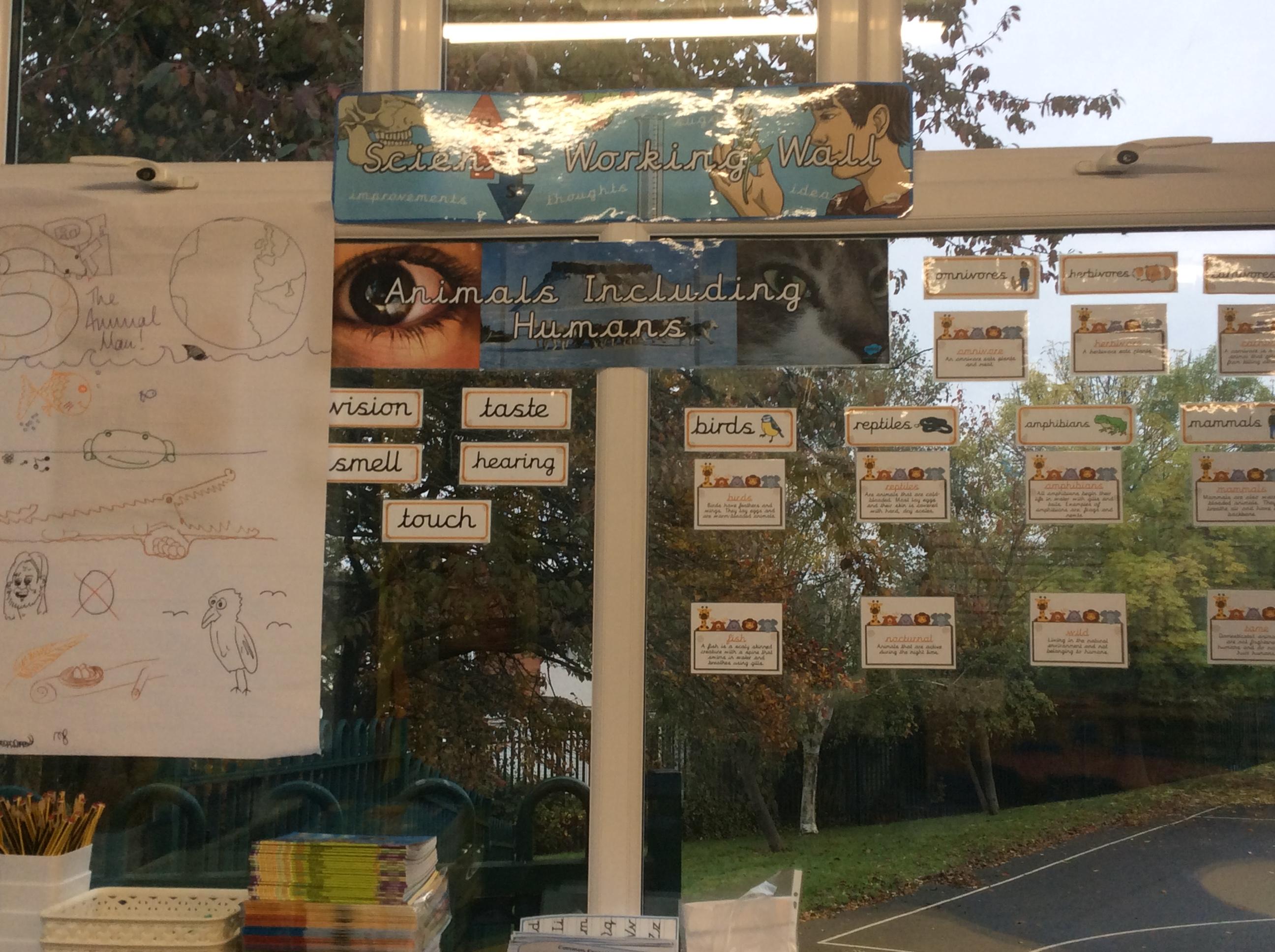
Animals including Humans |
Plants |
Materials |
||||
|
Seasons across the year |
|||||||
|
Year 2 |
Animals including Humans |
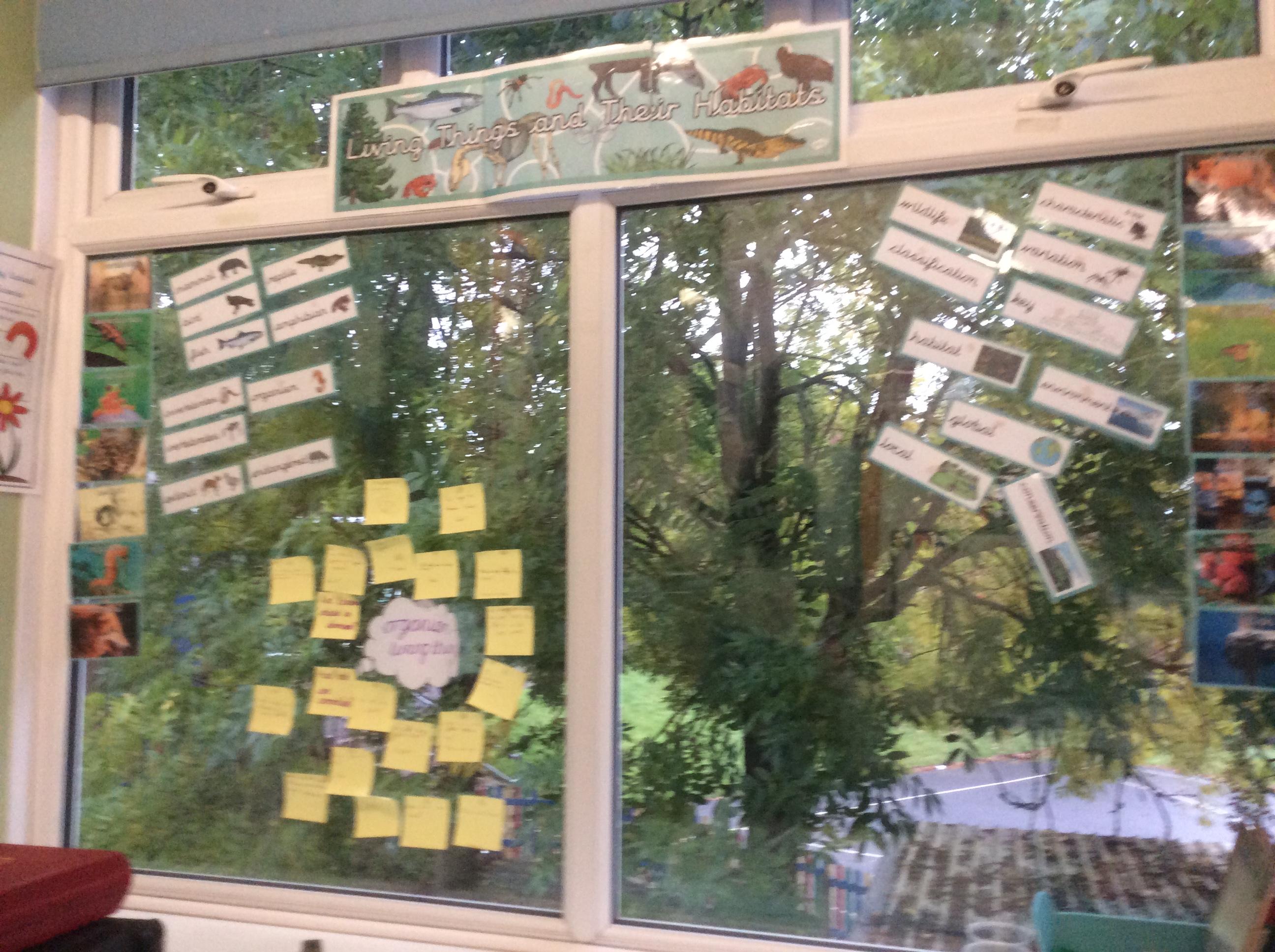
Living Things and their Habitats |
Plants |
Materials
|
|||
|
Year 3 |
Rocks |
Forces and Magnets |
Light |
Plants |
Animals including Humans |
||
|
Year 4 |
Living Things and Their Habitats |
States of Matter |
Animals including Humans |
Enquiry Skills |
Sound |
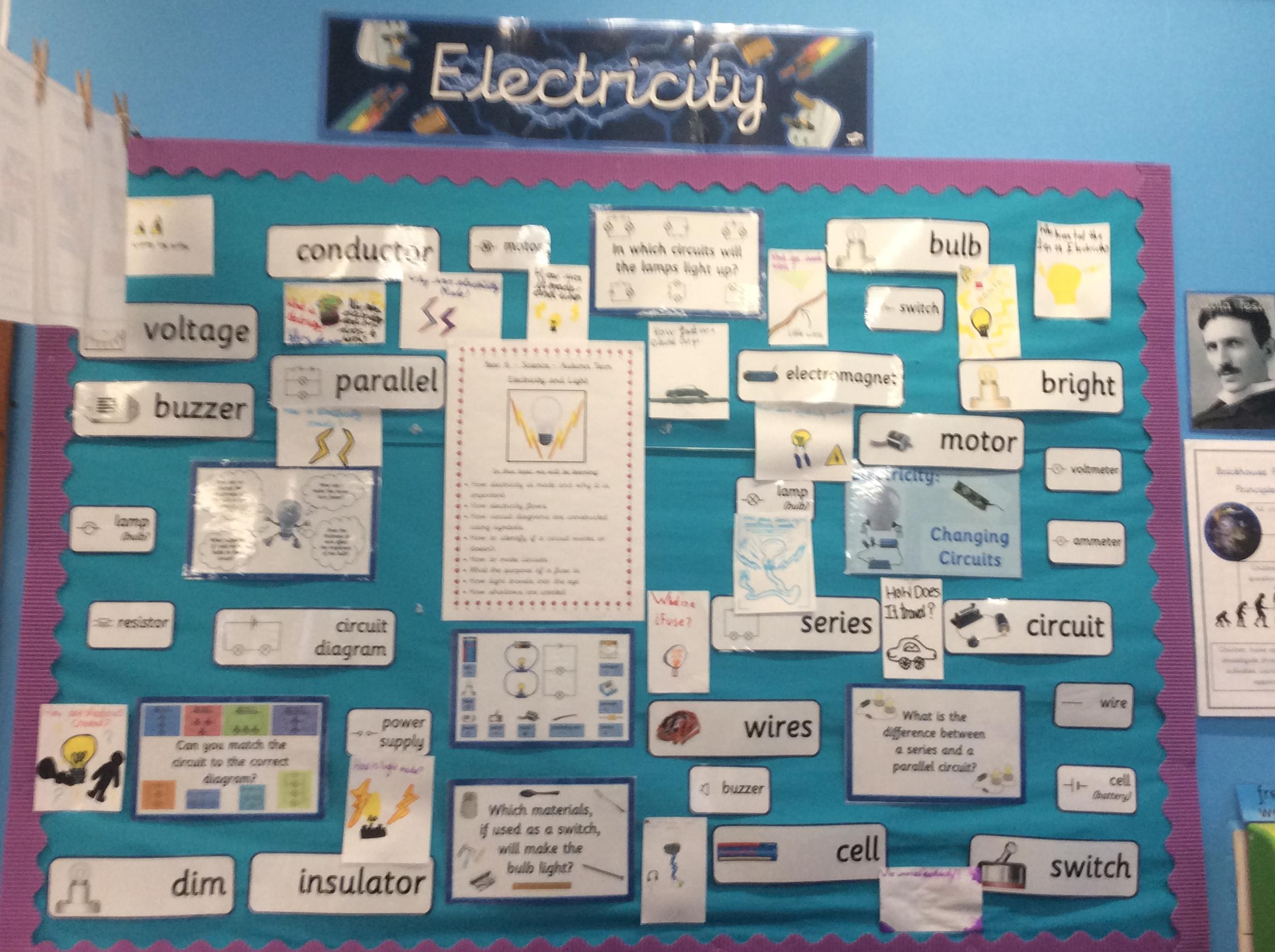
Electricity |
|
|
Year 5 |
Space |
Forces |
Properties of Materials |
Animals including Humans |
Living Things and Their Habitats |
||
|
Year 6 |
Electricity |
Light |
Evolution and Inheritance |
Living things and habitats |
|||
EYFS
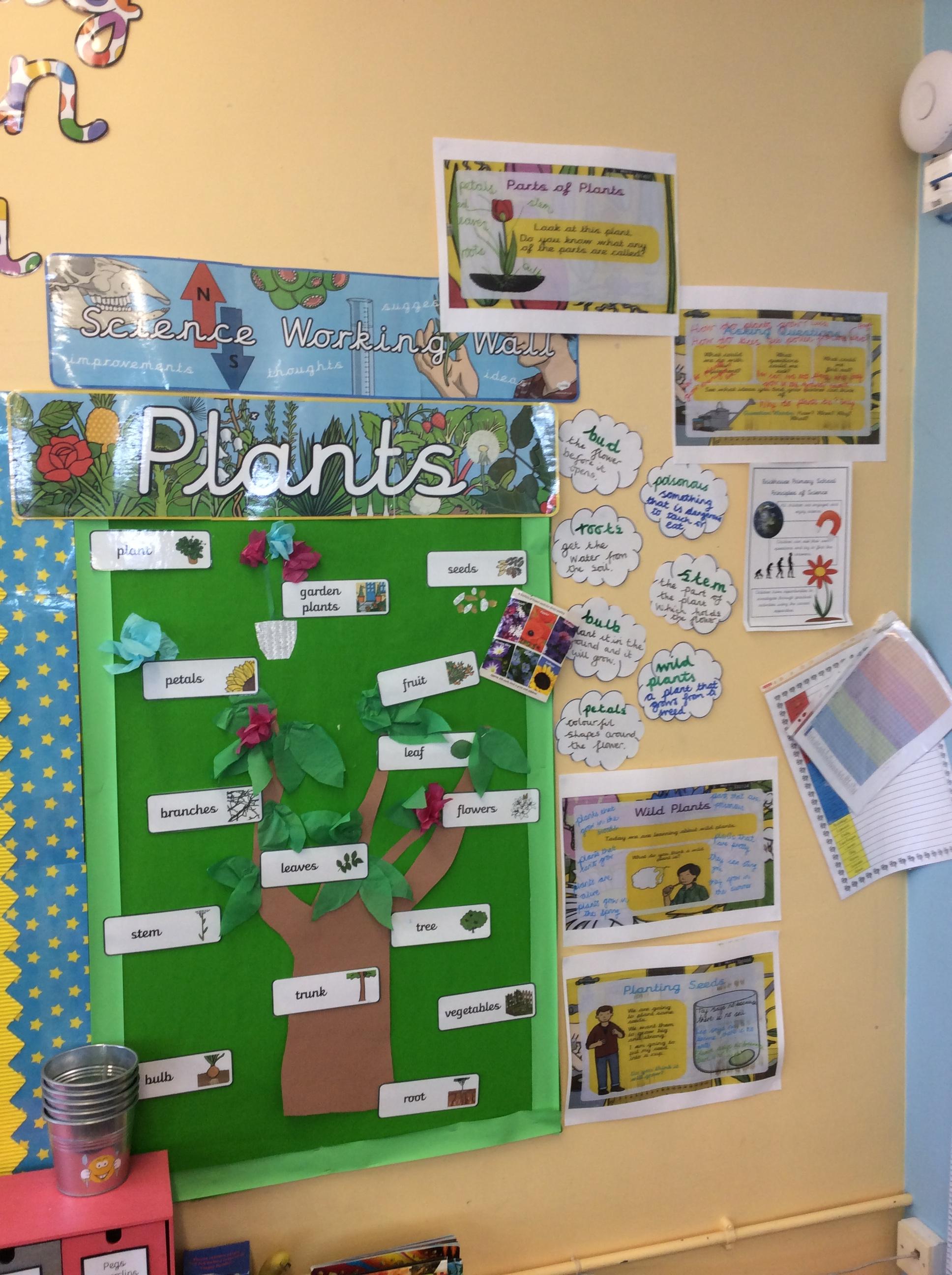
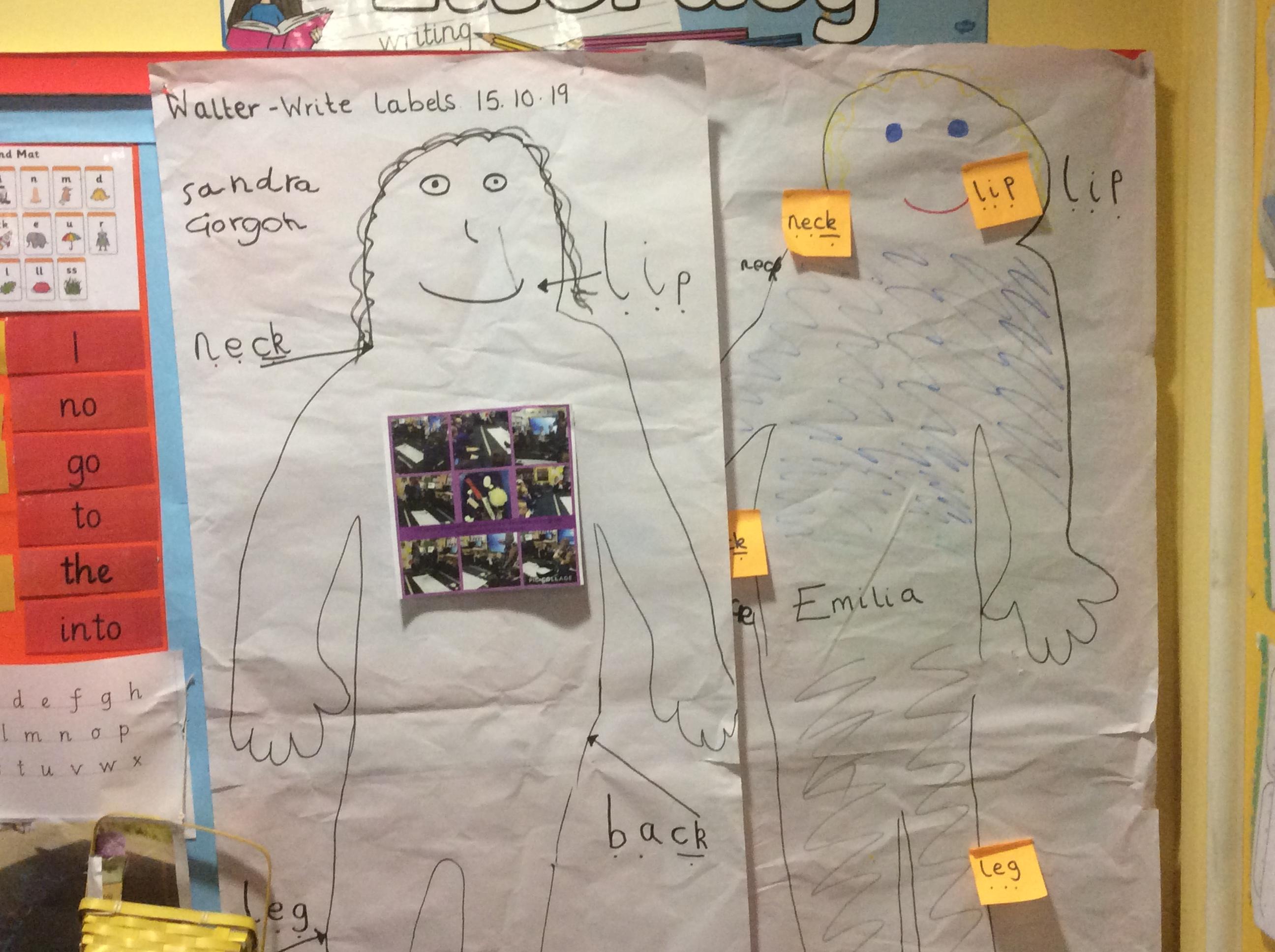
In EYFS, children explore the world around them through hands-on science experiences. They learn about plants, animals, materials, seasons, and changes they can observe, helping to build curiosity and an understanding of the world.
Year 1
In Year 1, children will learn about materials, plants, and animals including humans. Children will find out about different types of materials, name common plants, and learn about parts of the human body and their senses.
Year 2
In Year 2, children will build on their learning by studying animals including humans, living things and their habitats, plants, and materials. They will learn how living things grow and survive, how plants need the right conditions to grow, and how different materials are used for different jobs.
Year 3
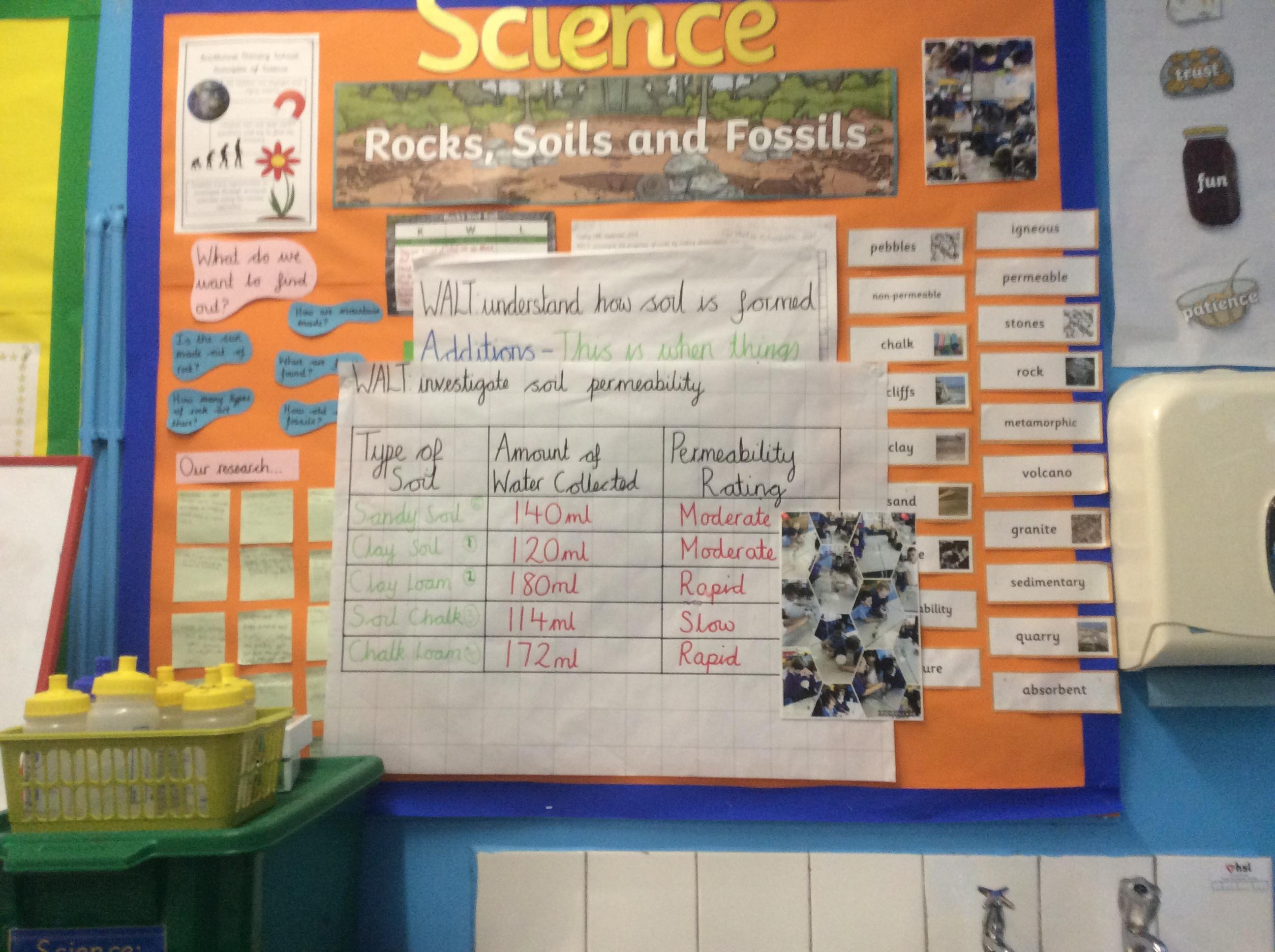
In Year 3, children will learn about rocks, forces and magnets, light, animals including humans, and plants. They will explore different types of rocks, find out how magnets and forces work, learn about light and shadows, and study the human body, including bones and muscles.
Year 4
In Year 4, children will study living things and their habitats, states of matter, animals including humans, sound, and electricity. They will learn how to sort living things, explore solids, liquids and gases, investigate how sound is made, and find out how electricity works.
Year 5
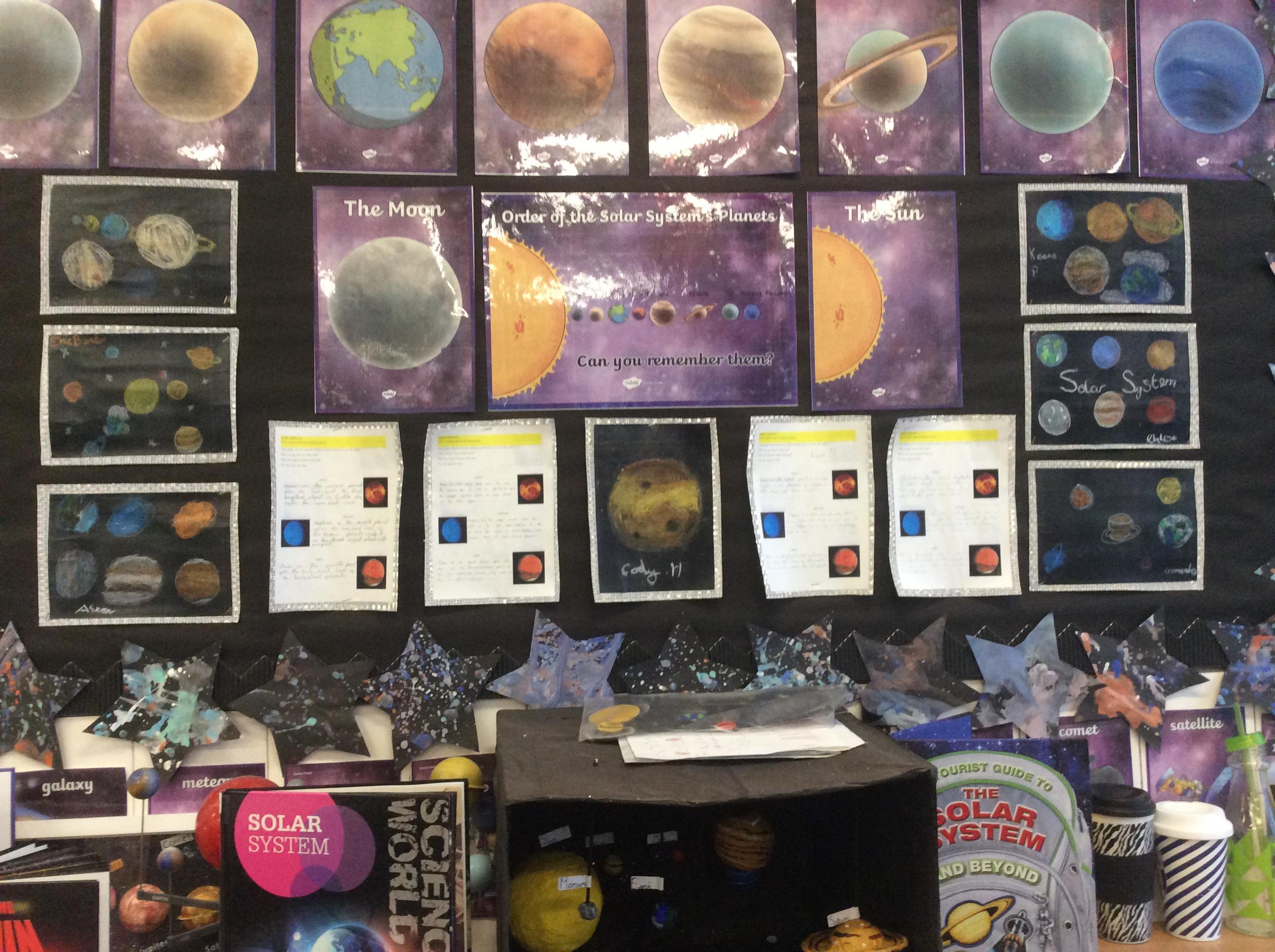
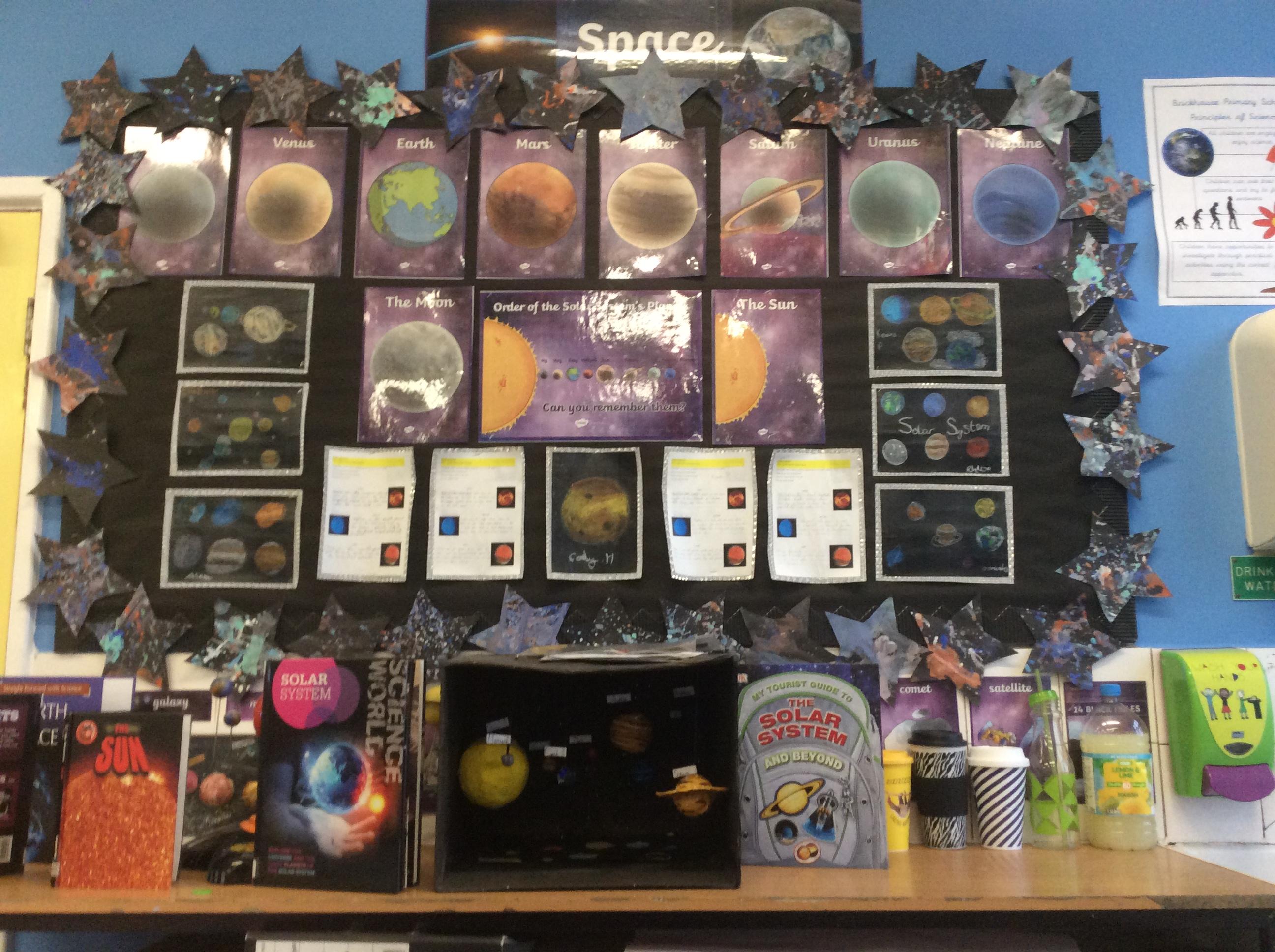
In Year 5, children will learn about space, forces, properties of materials, animals including humans, and living things and their habitats. They will find out about the solar system, investigate different forces, compare the properties of materials, and learn more about how living things grow, change and adapt.
Year 6
In Year 6, children will study electricity, light, evolution and inheritance, and living things and habitats. They will learn how circuits work, how light travels, and how animals and plants change over time. They will also explore how living things are suited to different environments.
Our Principles of Science